Embroidery and printing are not interchangeable. The right choice depends on your artwork, the fabric, the wash environment and the look you want at retail.
Embroidery: texture, durability, brand weight
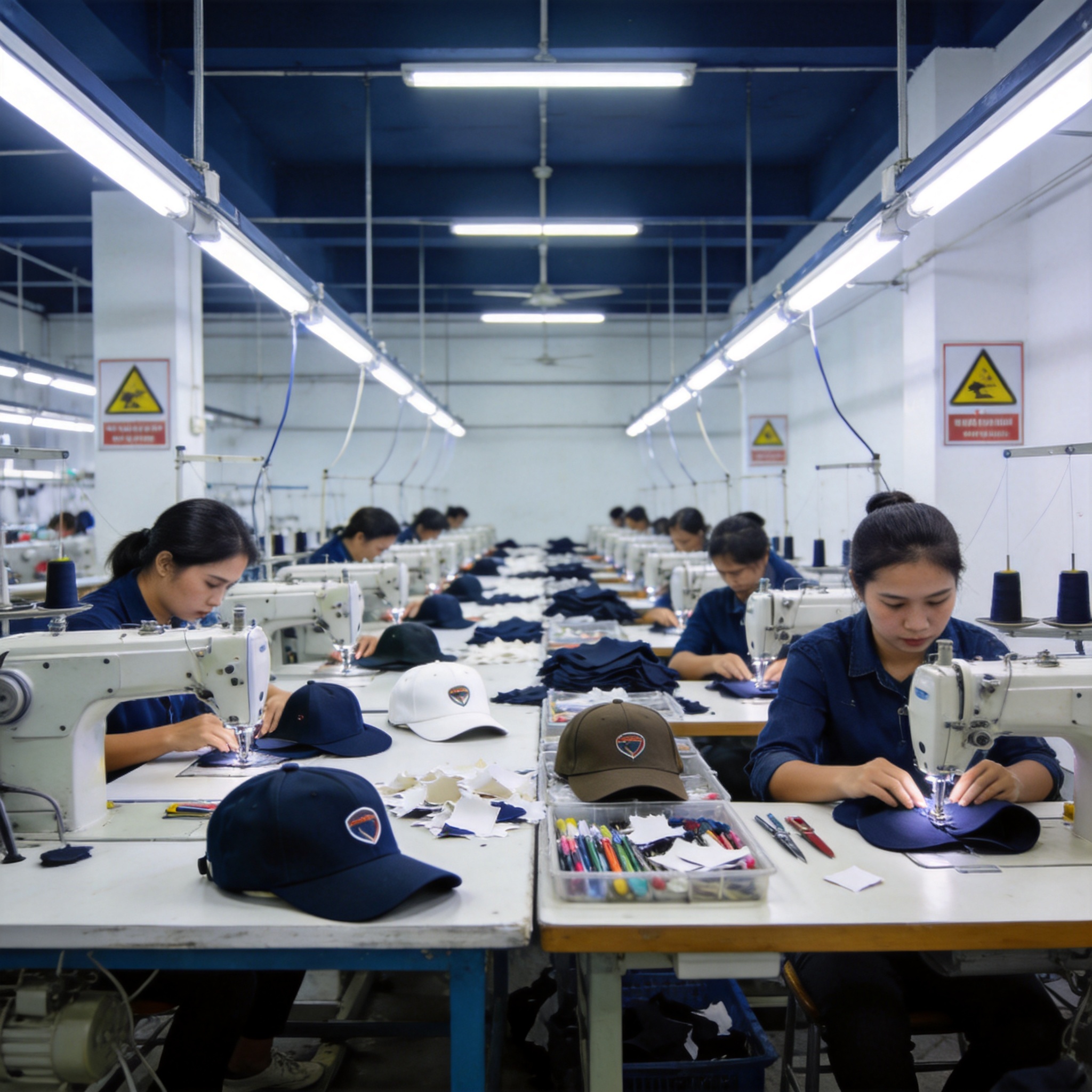
Embroidery adds physical texture and a perceived quality that most buyers associate with premium headwear. Flat embroidery handles text and simple marks; 3D puff adds dimension for bold logos. It survives repeated washing well when the backing and stitch density are correct.
Printing: detail, gradients, coverage
Screen printing is cost-effective for 1–4 solid colours. Heat transfer and DTF reproduce gradients and photographs. Sublimation works on polyester and enables all-over patterns. Printing sits on the surface, so abrasion resistance depends on ink and application quality.
How to decide
- Text and simple marks: embroidery
- Photographic detail or gradients: DTF / heat transfer
- Large solid graphics: screen print
- All-over patterns on performance caps: sublimation
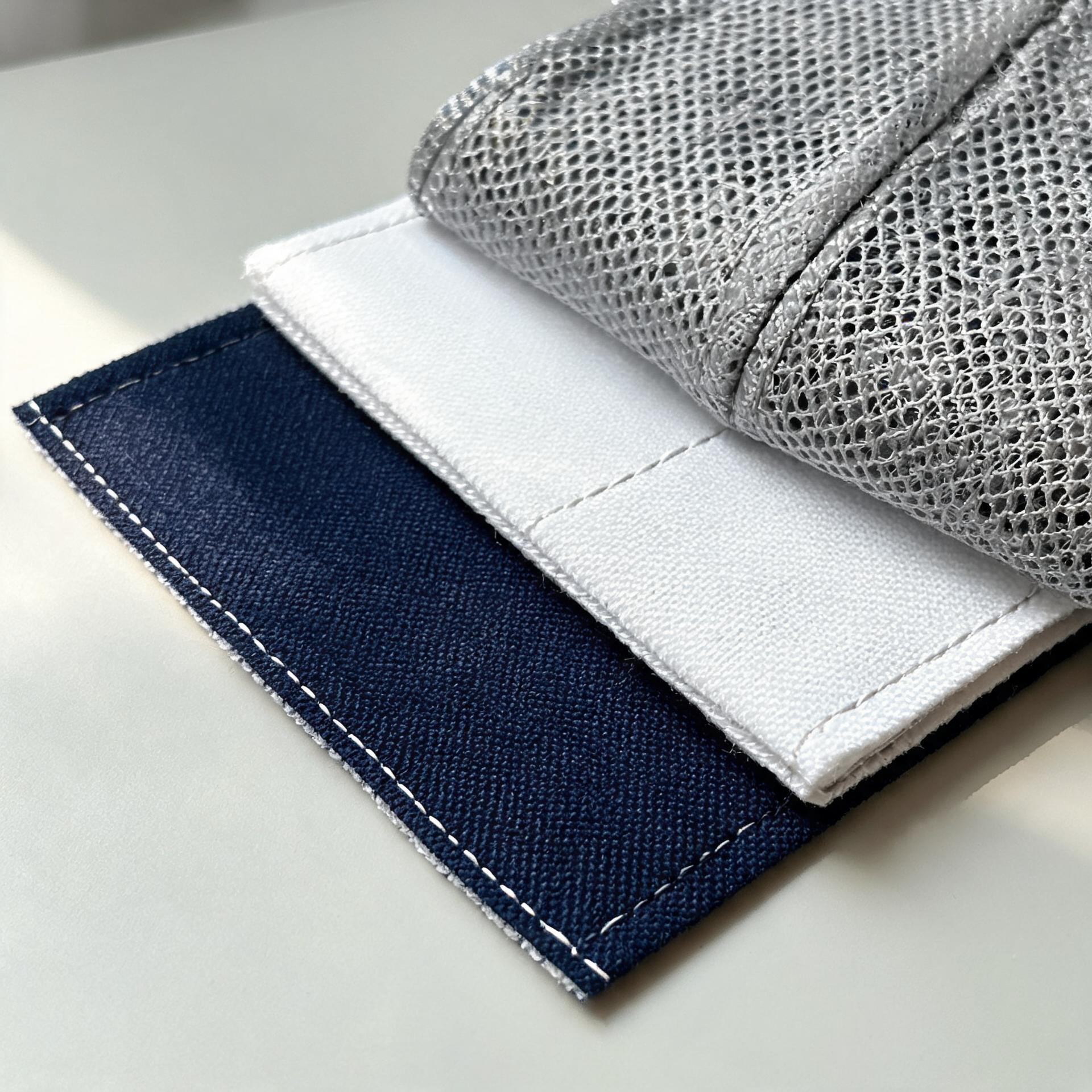
- Premium retail feel: embroidery plus a woven or leather patch
If you are unsure, ask for a sample with both methods on the same fabric. The difference is obvious in the hand, and it is the fastest way to align your design and production teams.